Why Whole Foods Are Better Than Protein Shakes for Lasting Energy and Wellness
A Daily Wellness with Wisdom Perspective
Protein Shakes vs. Whole Foods: Which Is Better for Energy and Wellness?
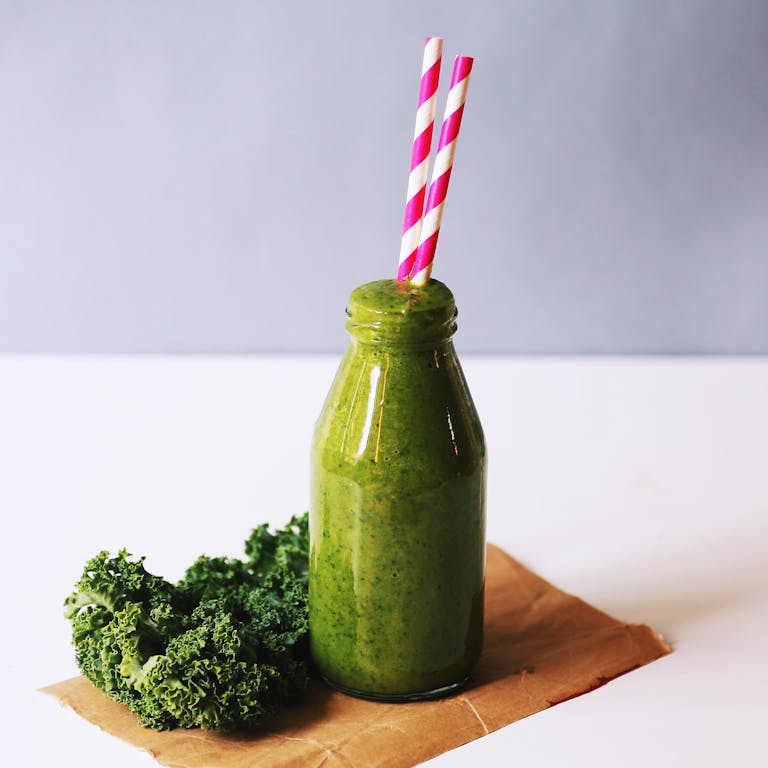
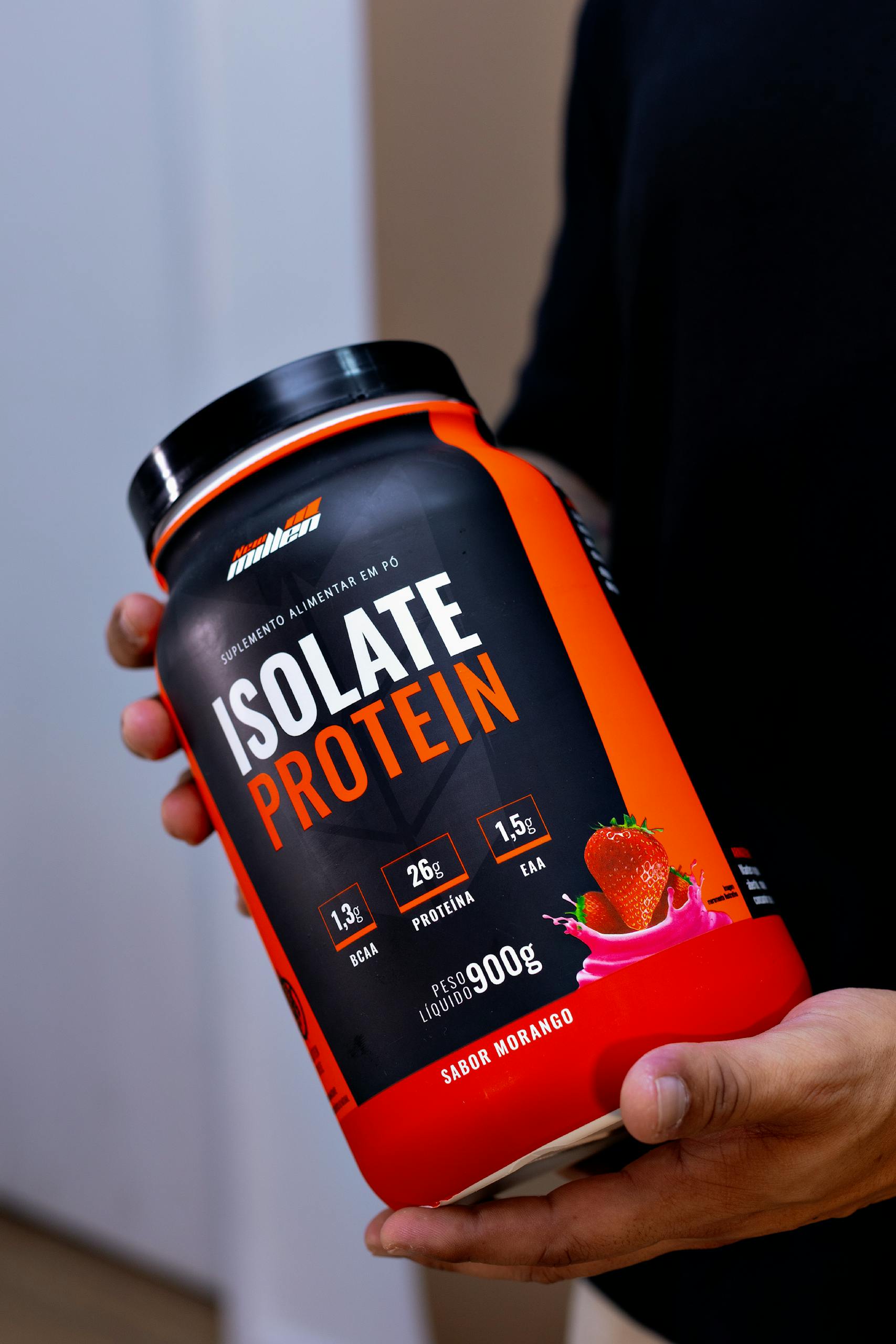
Protein shakes have become a modern symbol of health and wellness. From gym lockers to kitchen counters, powders in every imaginable flavor promise strength, convenience, and quick nutrition. Chocolate, vanilla, birthday cake, even clear protein drinks—the options feel endless.
And yes, protein shakes can be helpful. They offer a convenient way to increase protein intake, especially when time is limited.
But here’s the truth, many people are beginning to rediscover that protein shakes are not food, and relying on them too heavily may cost us more than we realize and it’s now a case of protein shakes vs. whole foods.
At Daily Wellness with Wisdom, we believe in approaching health with clarity, balance, and intention. This article explores why whole foods often outperform protein shakes and how choosing real, nourishing foods supports not only physical strength but also mental clarity, digestive health, and natural energy.
Protein Shakes: Convenient, But Highly Processed
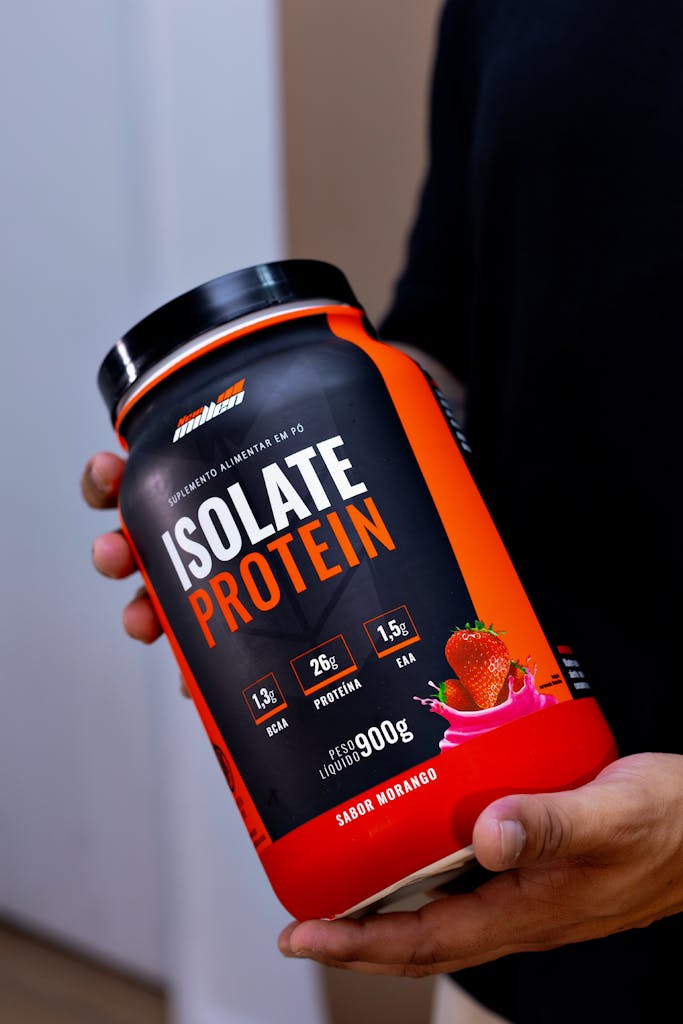
Protein powders may come from natural sources like whey, casein, soy, peas, or hemp, but by the time they reach your shaker bottle, they’ve undergone heavy processing.
During manufacturing, whole food ingredients are stripped down and refined. Sweeteners, emulsifiers, flavorings, and industrial additives are then added to improve taste, texture, and shelf life.
This process creates an ultra-processed product—meaning it no longer resembles its original food source in structure or nutritional complexity.
While protein powders deliver isolated protein, they lack the full spectrum of vitamins, minerals, fibre, and beneficial compounds found in whole foods. Over time, relying on shakes as a primary protein source may contribute to nutrient gaps and digestive discomfort for many people.
Protein shakes are regulated as dietary supplements, not meals—an important distinction that often gets overlooked.
Why Whole Foods Offers More Than Just Protein
Protein is essential for muscle repair, metabolism, and overall health. But protein does not work alone.
When you get protein from whole foods, you also receive:
- Fibre that supports digestion and gut health
- Vitamins and minerals that aid energy metabolism
- Healthy fats that promote satiety and hormone balance
- Antioxidants that reduce inflammation
- Slower digestion that stabilizes blood sugar
This combination is especially important for nutrition for mental clarity. Rapid blood sugar spikes and crashes—common with processed foods—can leave you feeling tired, foggy, and irritable. Whole foods digest more slowly, providing steady energy and focus.
This is the foundation of natural energy foods—nourishment that fuels the body without overstimulation.

Protein Shakes vs Whole Foods: What Dietitians Want You to Know
You may have heard of the “anabolic window”—the idea that you must consume protein within 30 to 60 minutes after exercise for muscle recovery.
Current research shows this window is far more flexible than once believed. Eating a protein-rich meal within a few hours after exercise still supports muscle repair and growth.
This means there is no need to rush for a shake if you prefer real food. A balanced meal can be just as effective—and often more nourishing.
How Much Protein Do You Really Need?
Protein needs vary depending on age, body size, and activity level.
General guidelines suggest:
- 1.2–1.6 grams per kilogram of body weight per day for most adults
- 1.4–2 grams per kilogram for active individuals
For many people, this works out to roughly 20–40 grams of protein per meal—an amount that is very achievable through whole foods.
13 Whole Foods to Eat Instead of a Protein Shake
If you’re looking to reduce reliance on shakes, here are nutrient-rich, high-protein foods that support strength, energy, and overall wellness.
1. Chicken Breast
Lean, affordable, and packed with protein.
A 3-ounce serving provides about 27 grams of protein, plus vitamin B6 and phosphorus to support metabolism and muscle repair.
2. Turkey
Another lean option with 26 grams of protein per 3 ounces, along with B vitamins, zinc, and tryptophan, which supports recovery.
3. Salmon
Offers high-quality protein and omega-3 fatty acids, supporting heart, joint, and brain health—nutrients missing from most protein powders.
4. Tuna
Canned tuna is convenient and affordable, providing about 25 grams of protein per can, along with selenium and B vitamins.
5. Lean Beef
Lean cuts like sirloin deliver protein, iron, and creatine—supporting energy production and muscle performance.
6. Cottage Cheese
One cup provides about 24 grams of protein, calcium for bone health, and probiotics that support digestion.
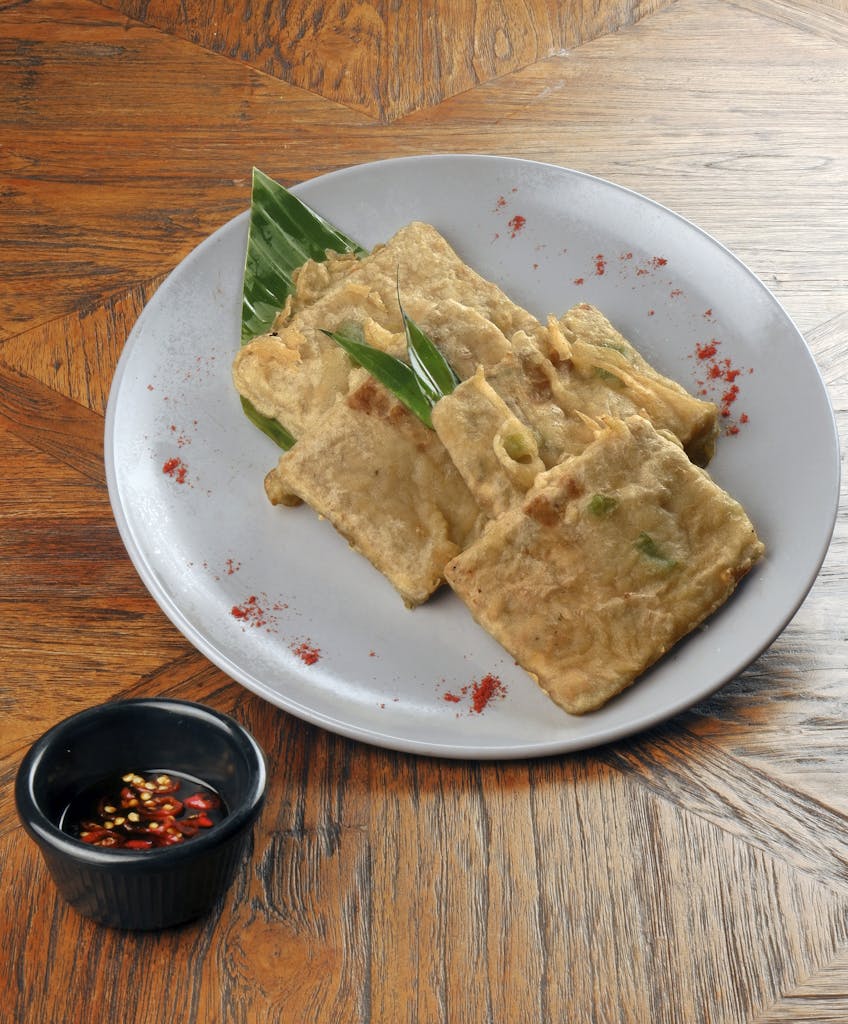
7. Tempeh
A fermented plant-based protein with 20 grams per serving, plus fibre and gut-supporting benefits.
8. Greek Yogurt
Rich in protein, calcium, and probiotics. A simple, versatile option for snacks or meals.
9. Tofu
A complete plant protein that’s incredibly versatile and gentle on digestion.
10. Lentils
Affordable, filling, and rich in protein, fibre, iron, and potassium—excellent for sustained energy.
11. Hard-Boiled Eggs
A nutritional powerhouse providing protein, healthy fats, choline, and vitamin D.
12. Edamame
High in plant protein and fibre, supporting blood sugar balance and satiety.
13. Black Beans
Provide protein, antioxidants, and plant-based iron to support healthy energy levels.
A Wellness With a Wisdom Mindset
Protein shakes are not inherently bad. They can be useful when food is unavailable or protein needs are difficult to meet.
But they should complement your diet—not replace it.
A wellness with a wisdom mindset invites us to ask:
- Am I nourishing my body or just filling it?
- Does this choice support long-term health or short-term convenience?
- Am I listening to my body’s need for real food?
Whole foods offer something protein powders cannot: synergy—nutrients working together to support strength, clarity, digestion, and vitality.
Final Reflection: Choose Nourishment, Not Just Protein
True wellness isn’t about chasing numbers on a label. It’s about how food makes you feel and how it supports your energy, your mind, and your life.
Protein matters—but real food matters more.
When your diet is grounded in whole foods, you’re not just building muscle. You’re building resilience, clarity, and sustainable wellness.
That is the heart of Daily Wellness with Wisdom.
Disclaimer: I write from lived experience, scientific reviews, reflection, and a deep respect for emotional awareness and intentional living. My work is meant to offer a gentle perspective—not answers, diagnoses, or instructions.
Warmly,
Wisdom.
Creator, Daily Wellness with Wisdom

Written by Wisdom, B.Sc. Food Biotech, M.Sc. Food Science. I specialise in the intersection of food science and holistic wellness.