The Gut-Brain Connection: How Food Affects Your Emotions
We often think of emotions as something that lives in the mind. But the truth is, a large part of how we feel each day begins in an unexpected place—our gut.
It’s where butterflies gather before a big moment. It’s why a stressful day can bring stomachaches. And it’s why what you eat matters just as much for your mind as it does for your body.
This invisible thread between your belly and your brain is called the gut-brain connection—and once you understand it, your relationship with food, healing, and emotional well-being begins to shift.
Your Gut Is More Than a Digestion Centre
Inside your gut lives a vibrant, living ecosystem called the microbiome. It’s home to trillions of bacteria—some helpful, some harmful. When this community is balanced and thriving, your entire system feels better.
But when it’s out of balance (due to stress, processed foods, or antibiotics), it doesn’t just affect digestion. It can directly impact your emotions, energy levels, and ability to cope with stress.
That’s because the gut and brain are connected through a vast communication highway—the vagus nerve. It’s a two-way street: your brain can influence your gut, and your gut can influence your brain.
The Emotional Messengers in Your Belly
Did you know your gut makes about 90% of your body’s serotonin—the “feel-good” neurotransmitter that affects mood, sleep, and calm?
That’s more than your brain makes.
So when your gut is nourished, serotonin production improves—and your emotional landscape begins to feel steadier, more resilient. A happy gut truly supports a happier mind.
Foods That Nourish the Gut—and Your Emotions
Let’s walk through a few gut-loving foods that naturally support emotional well-being:
1. Fermented Foods
Yogurt, kefir, sauerkraut, kimchi, miso, and kombucha are all rich in probiotics—the good bacteria your gut loves.
These help crowd out harmful microbes and rebuild your microbiome after periods of stress or poor eating. They also enhance nutrient absorption and can ease anxiety over time.
Try starting with one spoonful of sauerkraut daily or a small glass of kefir with breakfast.
2. Fiber-Rich Prebiotics
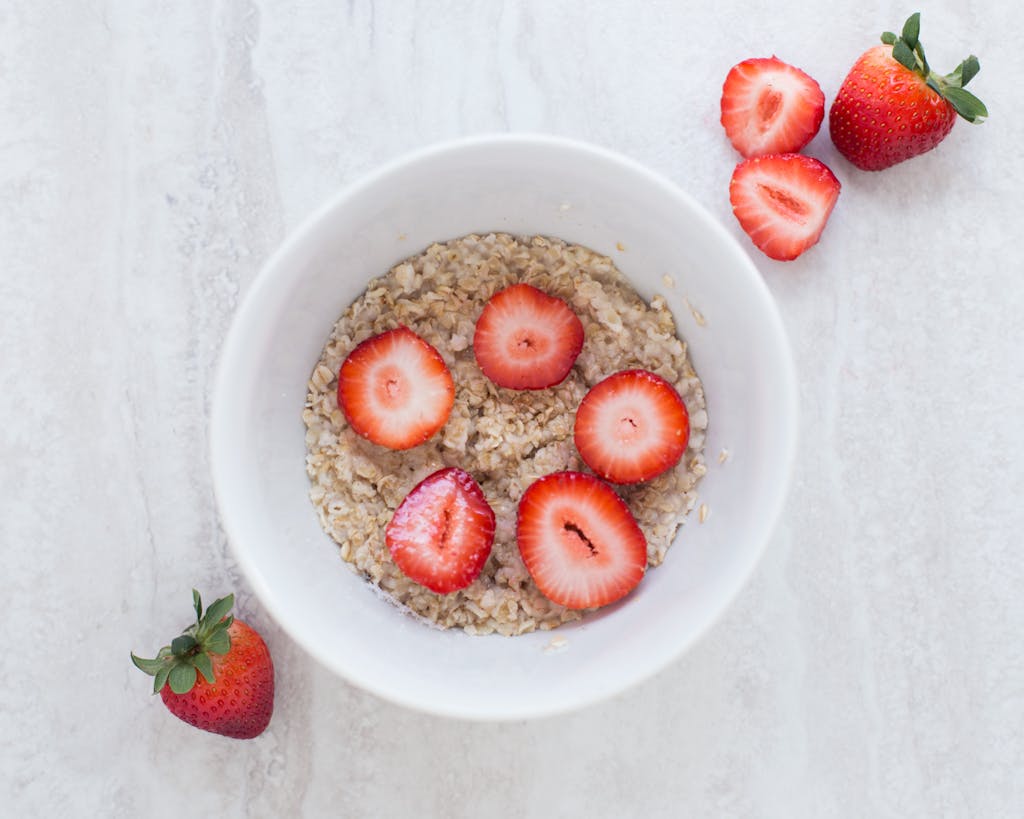
Prebiotics are the food your good bacteria need to thrive. They’re found in plant-based fibers like onions, garlic, bananas, leeks, oats, and asparagus.
Feeding your gut bacteria helps strengthen the gut barrier and supports better mental clarity and focus.
3. Omega-3 Fatty Acids
Found in fatty fish (like salmon and sardines), chia seeds, walnuts, and flaxseeds, omega-3s are known to reduce inflammation and improve communication between gut and brain.
They can be especially helpful in supporting mood during periods of high stress or emotional fatigue.
4. Polyphenol-Rich Foods
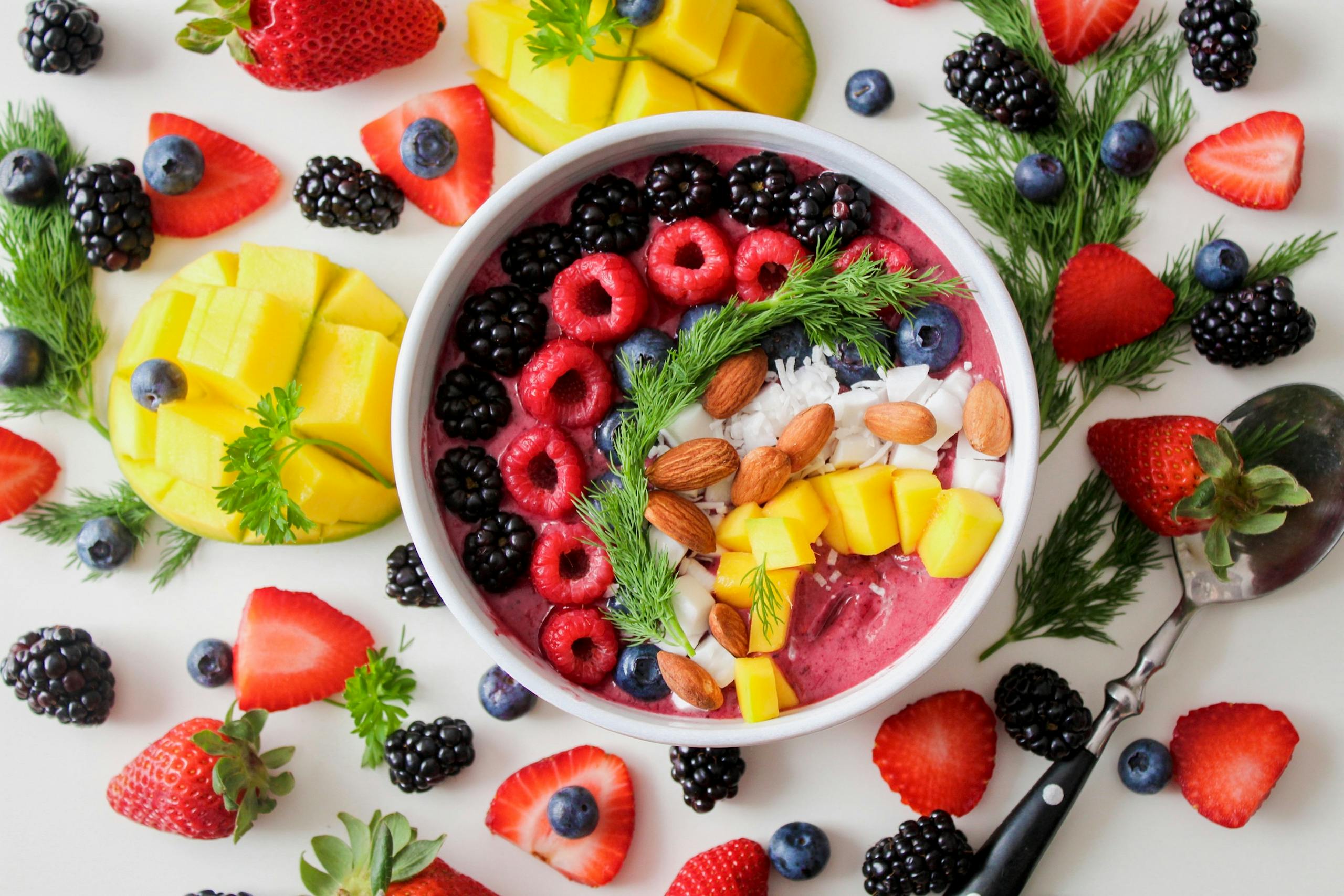
These natural plant compounds (found in berries, green tea, olive oil, dark chocolate, and turmeric) reduce oxidative stress in the gut lining and protect your brain from inflammatory damage.

Foods That Can Disrupt Emotional Balance
Not all foods are supportive—some can silently inflame your gut and affect your mood without you realizing it:
- Highly processed foods (like chips, sugary cereals, fast food)
- Refined sugar (causing energy crashes and mood swings)
- Excess caffeine or alcohol
- Artificial additives or sweeteners
If you find yourself feeling anxious or drained after certain meals, try keeping a gentle food and mood journal. Patterns often emerge.
Daily Practices to Support Your Gut-Brain Connection
It’s not just about what you eat—it’s also how you treat your body as a whole. Here are a few ways to strengthen the gut-brain relationship gently:
- Eat slowly and mindfully. Digestion starts in the mouth. Chew well, and give your body time to receive nourishment.
- Breathe before meals. Just 3 calm breaths before eating signals your body to relax, rest, and digest.
- Get quality sleep. Your gut bacteria reset while you rest. Prioritize a calming nighttime routine.
- Move daily. Even a walk or stretch improves digestion and regulates the nervous system.
- Speak kindly to yourself. Your inner talk affects your nervous system too—choose words that comfort and empower.
Final Words
The next time you feel foggy, anxious, or just not like yourself, look inward—toward your gut.
It might not be crying out loudly, but it may be whispering: “Feed me well. Slow down. Let’s feel safe again.”
The gut-brain connection is not a passing wellness trend. It’s a deeply rooted truth about your body’s design—your emotions aren’t floating aimlessly; they’re grounded in biology. And the food you choose, the rhythm of your days, the softness in your habits—these are all ways to gently rewrite how you feel.
One nourishing bite at a time.